

Casino Game Discovery: Slots, Tables, Live Play or Originals?
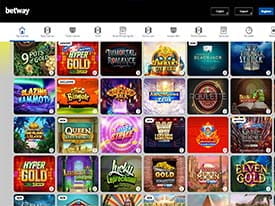
Choosing an online casino is often less about counting titles and more about finding games that suit the way you prefer to play. Betya presents a broad catalogue covering slots, table games, live dealers, instant titles and game-show formats. The casino betya homepage can therefore be approached as a discovery space: compare categories, check game information and decide which formats deserve closer attention before signing in. The following guide explains how to explore that range without treating every game as interchangeable.
Start with the game format, not the title count
A catalogue of more than 5,000 games may sound impressive, but a large number alone does not tell you whether the selection is useful. Begin by identifying the experience you want. Video slots are suitable for players who prefer automated rounds, themed visuals and changing bonus mechanics. Classic slots generally offer simpler layouts, while progressive jackpot games may appeal to those specifically looking for a changing prize feature. These categories are different starting points rather than interchangeable labels.
Table games provide another route. Blackjack, roulette, baccarat, craps and other dice games place more emphasis on familiar rules and decision-making or betting choices. Video poker sits between slots and table play, using card-based combinations within a digital format. Bingo, keno and scratch cards offer shorter, simpler sessions, while crash games introduce a rising multiplier that ends when the round stops. Each format has its own pace and risk profile, so the most attractive title is not necessarily the best fit.
Live dealer games are designed to make digital play feel more like a streamed table, with real-time video and dealer interaction. They can include blackjack, roulette and baccarat, as well as game-show-style formats. By contrast, instant or original games usually focus on quick rounds and straightforward interfaces. Comparing formats first helps reduce browsing fatigue and makes it easier to recognize whether you want a conventional casino game, a social viewing experience or a fast digital round.
Use the lobby filters to build a short list
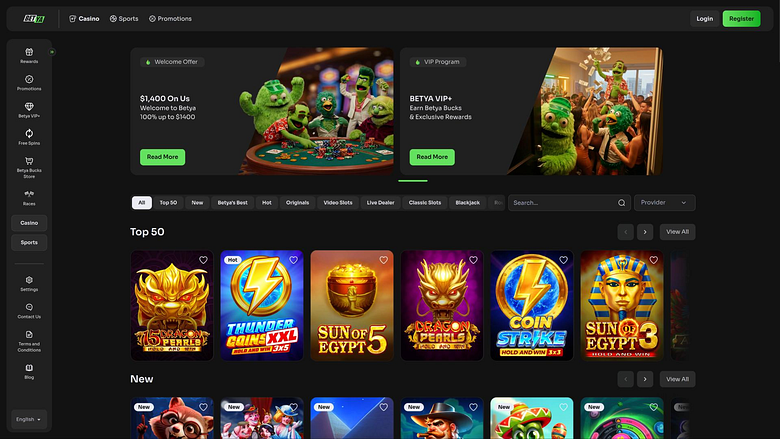
Once you know the format, the lobby’s navigation can make discovery more manageable. Categories such as Top 50, New, Hot, Favorites and Recents serve different purposes. “New” is useful for spotting recent additions, while “Recents” helps return to games already opened. “Favorites” can become a personal shortlist instead of relying on memory. Popularity labels may help with orientation, but they should not be treated as evidence that a game is more likely to win.
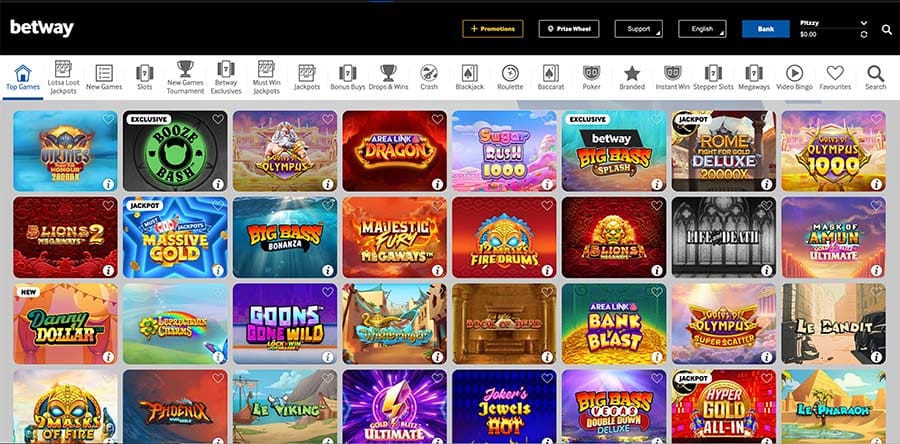
Provider filters are another practical comparison tool. The catalogue is reported to include studios such as Pragmatic Play, Evolution, Play’n GO, Yggdrasil, Betsoft, BGaming, Playson, Quickspin, Relax Gaming and others. If you already recognize a studio’s visual style or game mechanics, filtering by provider can make the search faster. It is still sensible to inspect the individual title rather than assuming every release from one studio has the same rules, volatility or return information.
After filtering, keep the shortlist small enough to examine properly. Open the information panel for each candidate and note the game type, available demo option, stated RTP where shown and any special mechanics. A compact comparison of three or four games is usually more useful than opening dozens of titles at random. Save only games you may genuinely revisit, because an oversized favourites list soon becomes another form of clutter.
What should you check before opening a game?
Game descriptions can answer practical questions that thumbnails cannot. Look for the number of reels or cards, the main objective, eligible combinations and any unusual round feature. Slots may advertise cascading reels, Hold & Win mechanics or bonus buys, but those labels do not explain how frequently features appear or how much a round can cost. Read the title-specific information and avoid assuming that a familiar feature works identically across different games.
RTP information, when provided, is a long-run mathematical figure rather than a forecast for a particular session. It does not mean that a player will receive that percentage back during a short visit, and it does not rank one individual outcome above another. Volatility is also important: a game with larger but less frequent potential wins may feel very different from one with smaller, more regular results. If the lobby does not clearly show the detail you want, check the operator’s stated game information before proceeding.
Demo play can be useful for learning controls and deciding whether the pace or design suits you. It cannot verify a game’s actual short-term performance, guarantee a return or establish that a title is favourable. Use it as a familiarization tool only. For broader context on gambling risks and how game design can affect play, the Responsible Gambling Council’s information resources offer Canadian-focused public guidance. That context is helpful when a polished interface makes every title appear equally attractive.
How do slots, tables and live games differ in practice?
Slots are generally the easiest category to browse because each title has a self-contained theme and interface. They can, however, vary considerably in pace, feature frequency, volatility and maximum stake. Named examples in the catalogue include Gold Nugget Rush 2, Great Ghosts, Big Bass Raceday Repeat and Coin Strike 2: Hold and Win. Treat those names as examples for exploration, not recommendations. Read the paytable and game rules before deciding whether the mechanics match your preference.
Digital table games offer a more recognizable structure. Roulette centres on wheel outcomes, baccarat uses a defined comparison between hands, and blackjack adds decisions such as whether to hit or stand. The presence of a decision does not remove chance, and different versions may use different rules. Live tables add streaming, dealer chat and a scheduled or continuous social setting. That can be appealing, but the slower presentation may also encourage longer sessions than a player originally intended.
Original instant games sit closer to quick-play formats, with reported examples including Crash, Mines, Diamonds, Roulette, Blackjack and Baccarat. Their familiar names do not necessarily mean they duplicate the rules, pacing or mathematics of standard versions. Before choosing one, confirm the round sequence, multiplier or stopping condition and any displayed limits. The right comparison is not “which category is best?” but “which format can I understand clearly and leave easily?”
Match discovery with a clear account routine
Game exploration does not end when you choose a title. The same credentials are described as working across the casino and sportsbook, with access available on desktop and through a responsive mobile browser. If you return later, use the site’s normal navigation and keep login details private. A forgotten password can be addressed through the recovery option associated with the registered email, while unresolved access issues should be handled through the operator’s stated support channels.
Before real-money play, review the conditions attached to the account and the particular game. Availability, age requirements and access can depend on jurisdiction, and promotions may apply only to selected titles or require separate activation. Do not assume that a game visible in the lobby is available under every account condition. If identity or payment ownership checks are requested, follow the stated process and avoid sending sensitive documents through unofficial contacts.
Finally, set a practical stopping point before browsing turns into extended play. Account tools are reported to include deposit limits, cooling-off periods, time-outs and self-exclusion, although the available settings and conditions should be confirmed in the account area. A useful discovery routine might be to choose one category, inspect a few titles, note the rules and stop when the planned session ends. Game variety is most useful when it supports deliberate choice rather than constant switching.
Questions readers often ask about game discovery
Can I compare games without relying on popularity labels?
Yes. Use popularity categories only to locate titles, then compare the game’s rules, format, stated RTP, volatility information and available features. A popular game may not suit your preferred pace or budget. A smaller shortlist based on clear criteria is more useful than assuming that a “Top” or “Hot” label indicates better results.
Are live dealer games the same as standard table games?
They share familiar game concepts, but the presentation and sometimes the specific rules, limits or table conditions can differ. Live dealer games use streamed interaction, while standard digital tables use software interfaces. Read the individual game information before playing, especially where several versions of blackjack, roulette or baccarat appear.
Does a demo show how a game will perform for real money?
No. A demo can help you learn controls, identify features and decide whether the presentation suits you. It cannot predict short-term results, prove an RTP figure through a few rounds or show what will happen in a real-money session. Treat it as a practice and familiarity option, not as a performance test.